
Exploring the Enchanting World of SnowQueen: A Game by PINAS99
Dive into the captivating realms of SnowQueen, the latest innovative game by PINAS99, and discover its unique elements and engaging gameplay.


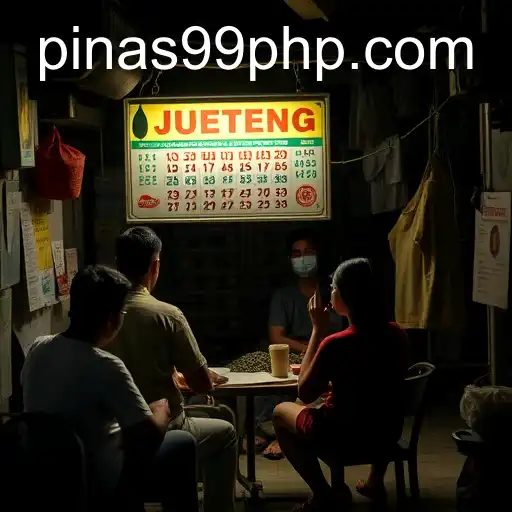
Jueteng is an illegal numbers game that has captivated millions across the Philippines for decades. Despite multiple government crackdowns, this game of chance remains deeply embedded in the socio-economic fabric of the nation. Its resilience is largely attributed to cultural traditions, economic hardship, and a complex web of corruption. In this comprehensive exploration, we'll delve into the mechanics of Jueteng, its impact on society, and the challenges that lie ahead in combatting this illicit activity.
Jueteng's allure lies in its simplicity and accessibility. It involves players choosing a combination of numbers, usually between one and thirty-seven. The numbers are drawn twice daily, and winners receive payouts based on the accuracy of their selected numbers. Unlike official lotteries, Jueteng is characterized by a lack of clear rules and official oversight, making it both appealing and perilous for millions. Jueteng is generally operated by a network of local collectors and coordinators. Collectors, commonly known as "kobrador," solicit bets from participants within their community and then pass these bets to higher-level operators. This hierarchical structure is often shrouded in secrecy, which complicates official efforts to dismantle these networks. The lack of transparency further enables the fostering of community trust between kobrador and bettors.
The economic incentives that drive both the supply and demand for Jueteng cannot be overstated. For many poor and working-class Filipinos, this illegal lottery represents a faint hope of escaping poverty or at least alleviating immediate financial burdens. Even small winnings can mean a great deal for those struggling to make ends meet in an economy marked by inequality and limited access to formal employment. The profitability of Jueteng is not limited to its grassroots operators. Middlemen and top-level benefactors reap substantial financial rewards, often reinvesting in community projects to buy public goodwill. The financial machinery of Jueteng thus extends beyond mere gambling—it's a mini-economy that supports various stakeholders, albeit through illegal means.
The persistence of Jueteng is also deeply ingrained in the Philippines' socio-cultural context. Gambling, in various forms, is a long-standing tradition, often entwined with festivities and social gatherings. Jueteng capitalizes on societal attitudes that view gambling less through the lens of taboo and more as an expression of leisure and community bond-building. Despite its illegality, Jueteng has effectively embedded itself into the community dynamic. Political figures and influential community leaders may turn a blind eye to, or even partake in, the game, providing a sense of legitimacy in the eyes of participants. This normalization makes it increasingly challenging to eradicate or regulate Jueteng.
The illegal nature of Jueteng ensures a complex interplay with politics and law enforcement. Corruption thrives where Jueteng is pervasive, with police often accused of receiving kickbacks to overlook operations. Political figures sometimes exploit Jueteng networks for both funding and votes, enmeshing gambling and governance in a complicated dynamic. Multiple high-profile cases have exposed the interplay between Jueteng and political power. The persistence of Jueteng despite numerous government crackdowns highlights the depth of its entrenchment. Any potential reform or crackdown must tackle not just the game itself but the systemic corruption and socio-economic challenges that maintain its popularity.
Government efforts to regulate or eradicate Jueteng often meet with limited success, especially given the betting game’s adaptability and local support networks. Anti-gambling laws exist but are difficult to enforce effectively, primarily due to the clandestine nature of Jueteng operations and the previously mentioned issues around corruption. A major challenge lies in offering viable economic alternatives to communities that rely heavily on Jueteng for income. Measures like legalizing and regulating gambling have been proposed, aiming to channel Jueteng's economic impact through more legitimate avenues. However, such efforts risk alienating the community trust networks on which Jueteng thrives. Much debate surrounds how to maintain such networks’ social benefits while eliminating their fundamentally unlawful nature.
Jueteng is not unique to the Philippines, as informal and illicit forms of gambling exist worldwide. However, it serves as a localized version of a global issue reflecting societal vulnerabilities. Countries like China and India also face similar challenges, skillfully mobilizing cultural, political, and economic forces to either condone or combat their versions of shady gambling.
The future of Jueteng in the Philippines remains uncertain, caught between crackdowns and adaptations. As the nation progresses, solutions must be multi-faceted, targeting not just the practice of Jueteng but also the systemic issues that sustain it. While the PINAS99 initiative and governmental agencies continue to fight against this illegal lottery, stakeholders face an uphill battle in creating sustainable, lawful alternatives for communities reliant on Jueteng.
If you're looking for a reliable, fully licensed, and secure sportsbook with a wide selection of games, PINAS99 is the perfect choice. We're committed to providing you with the best online betting experience, with premium quality, excellent service, and continuous innovation. Sign up now and receive ₱777 for free!
Join now
Get the latest information, experience and betting strategies from the expert team at PINAS99.
Dive into the captivating realms of SnowQueen, the latest innovative game by PINAS99, and discover its unique elements and engaging gameplay.

Unwrap the joy of Xmas with the exciting game PINAS99, where strategy and celebration come together in an interactive holiday adventure.

Dive into the adventurous realm of PANDADRAGONBOAT, an exhilarating game combining strategy, competition, and cultural appreciation. Discover how the keyword PINAS99 unlocks new dimensions within the game.

Dive into the immersive gaming experience of 'CHINESENEWYEAR2' and explore its captivating features and rules.

Explore the captivating world of ImmortalEmpress, a game that blends mythology and strategy with the excitement of the PINAS99 event.

Explore the captivating universe of ElementalLinkWater and discover its engaging gameplay, unique features, and how current events shape the gaming landscape.
 Join now